The Storyof a mite that would not be found
In the summers of 1909 to 1911 a small army of naturalists descended on Clare Island, off the coast of Mayo, for the most ambitious biological survey Ireland had ever attempted. Among them was James Nathaniel Halbert of the National Museum in Dublin, whose job was to find the mites for the survey. He went to the shore with a purpose: “A special search was made on the coast of Mayo for examples of the interesting littoral fauna recorded by Berlese, Trouessart and others from the coasts of southern Europe. I am glad to record success in this respect.”[1] Under stones on the sea shore at Westport, in July, he found “in some numbers” a golden brown, flattened creature unlike anything he had seen before. Halbert would go on to find a few males, females and a nymph (an immature stage), and both sexes again “between tide-marks on the south shore of Howth, County Dublin, in the month of April.”[1] In 1915 he named it Thinozercon michaeli: the shore Zercon, from the Greek thīs, thinós, a beach, and called it “a peculiarly isolated acarid which must be regarded as the type of a new family.”[1] His instinct was right. A hundred and ten years on, Thinozerconidae still contains exactly one species.[2][3] Halbert also gave us clues as to where it lives: among “the more truly maritime forms” that “are found well below high-tide mark where they survive continual immersion by the sea. During the tides they retire into minute crevices in the rocks, or under stones partly embedded in sandy mud where small quantities of air are imprisoned.”[1]
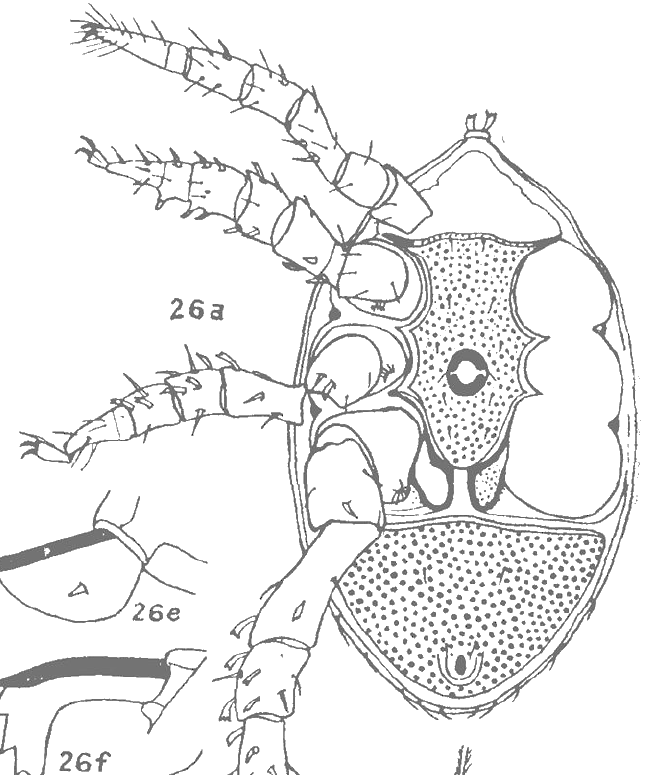
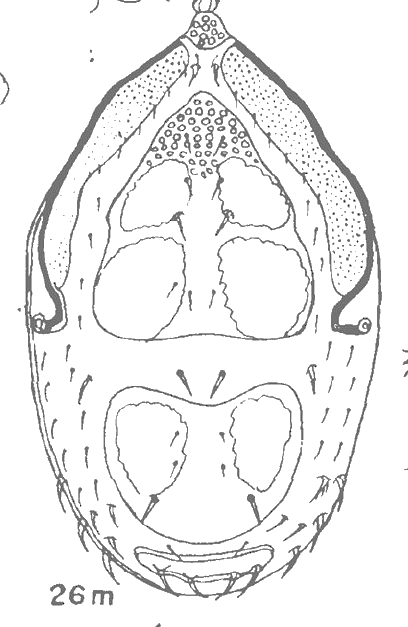
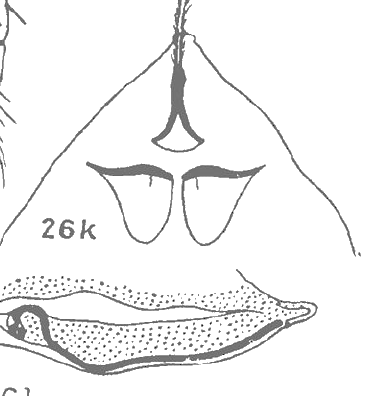
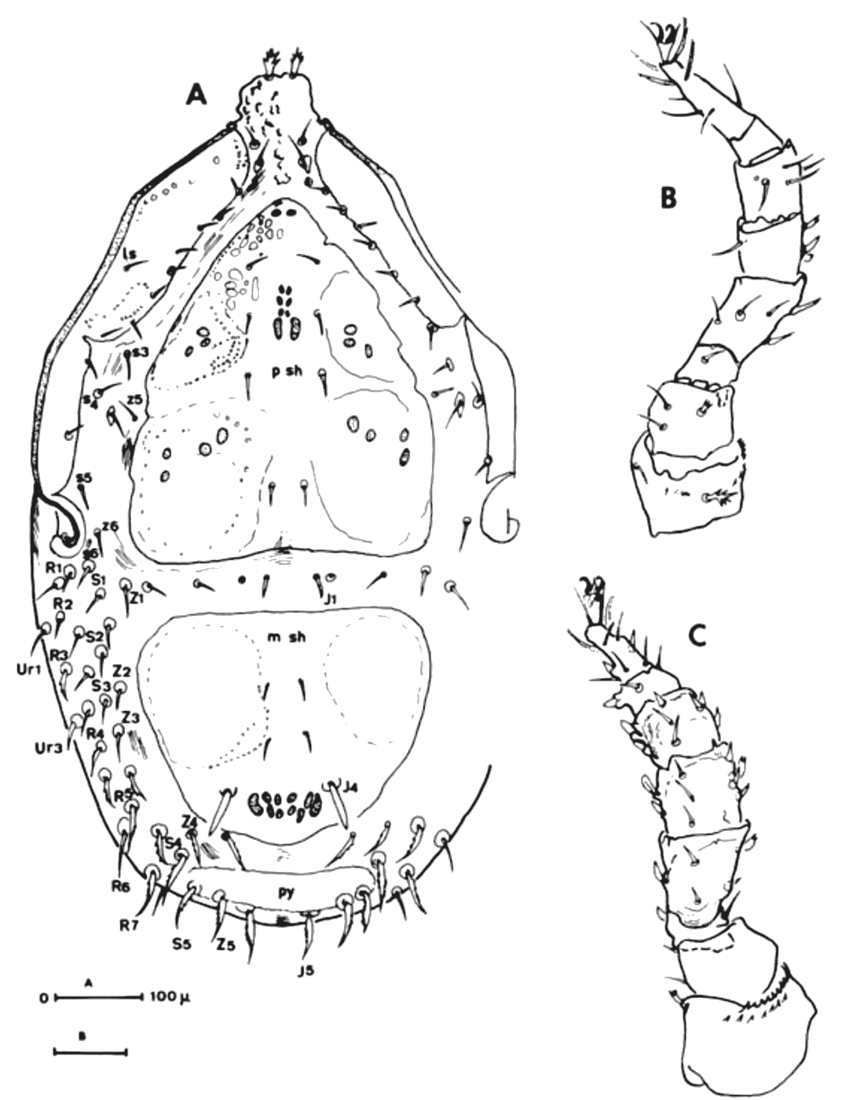
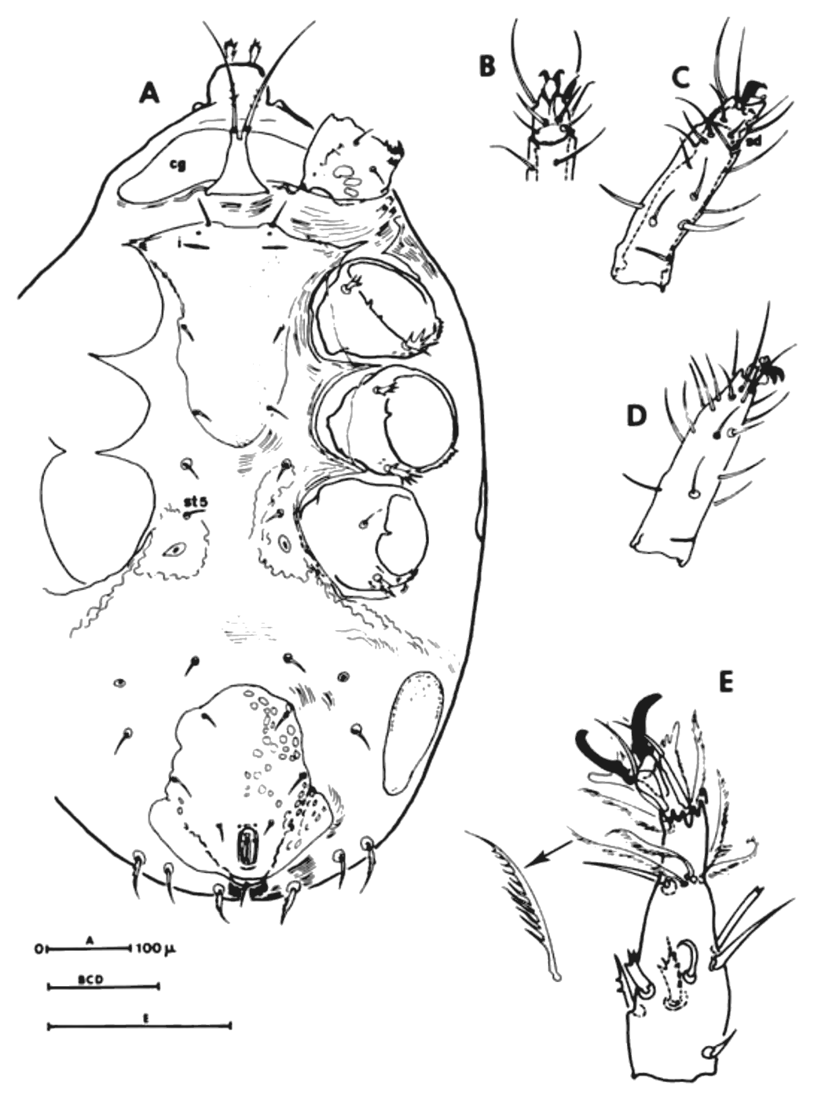
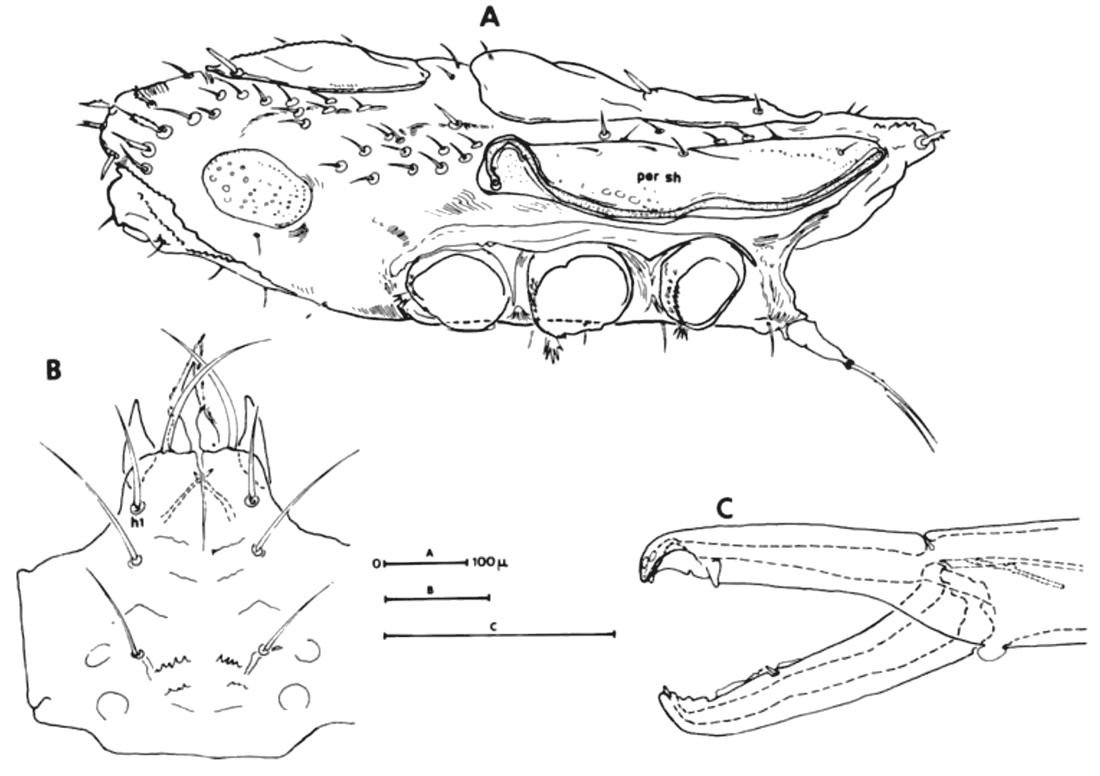
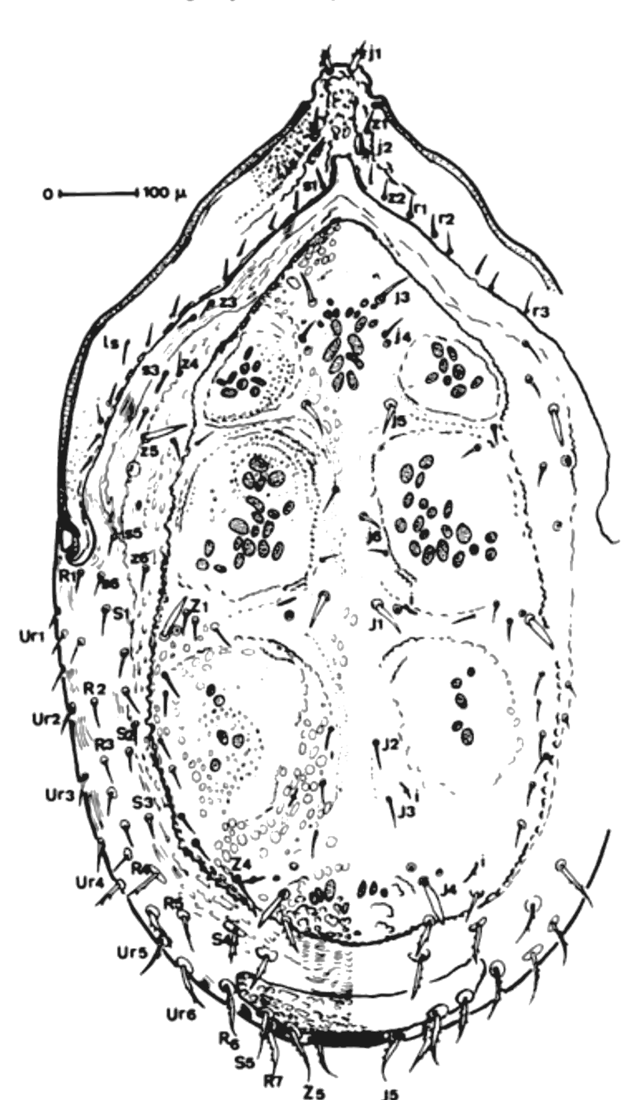
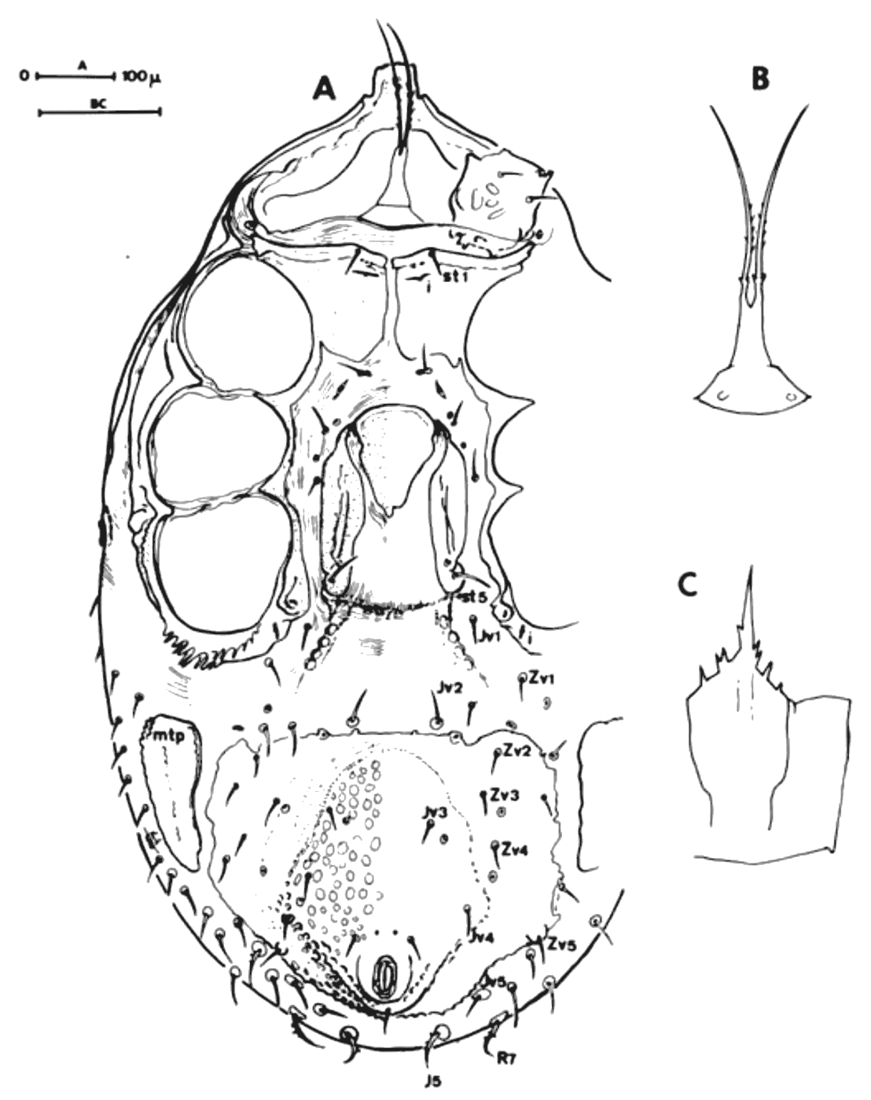
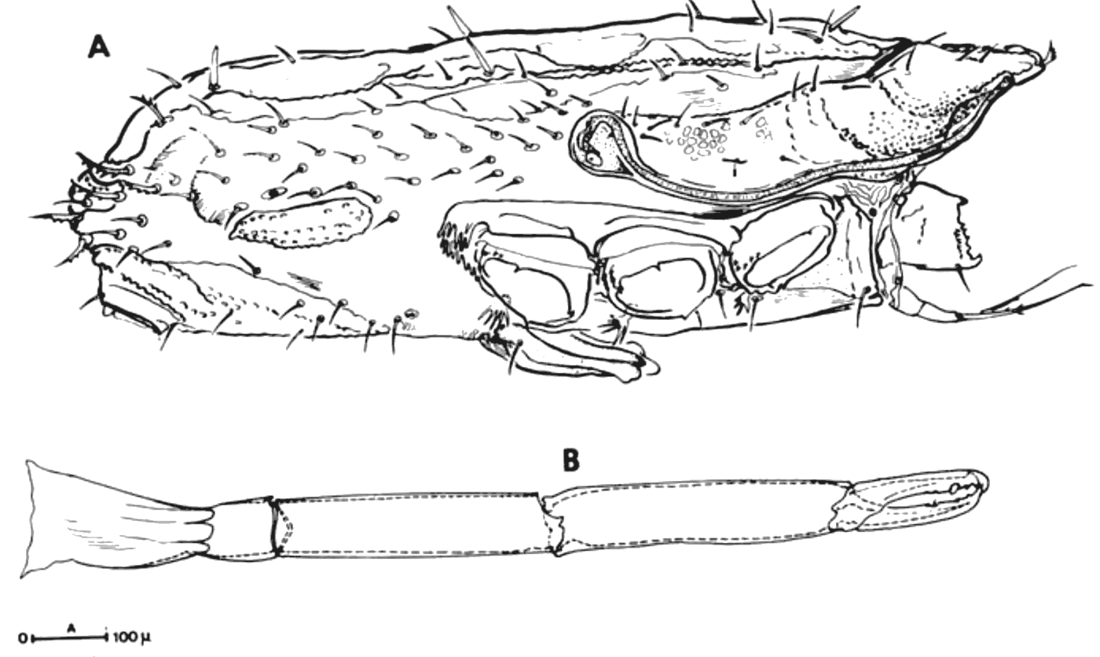
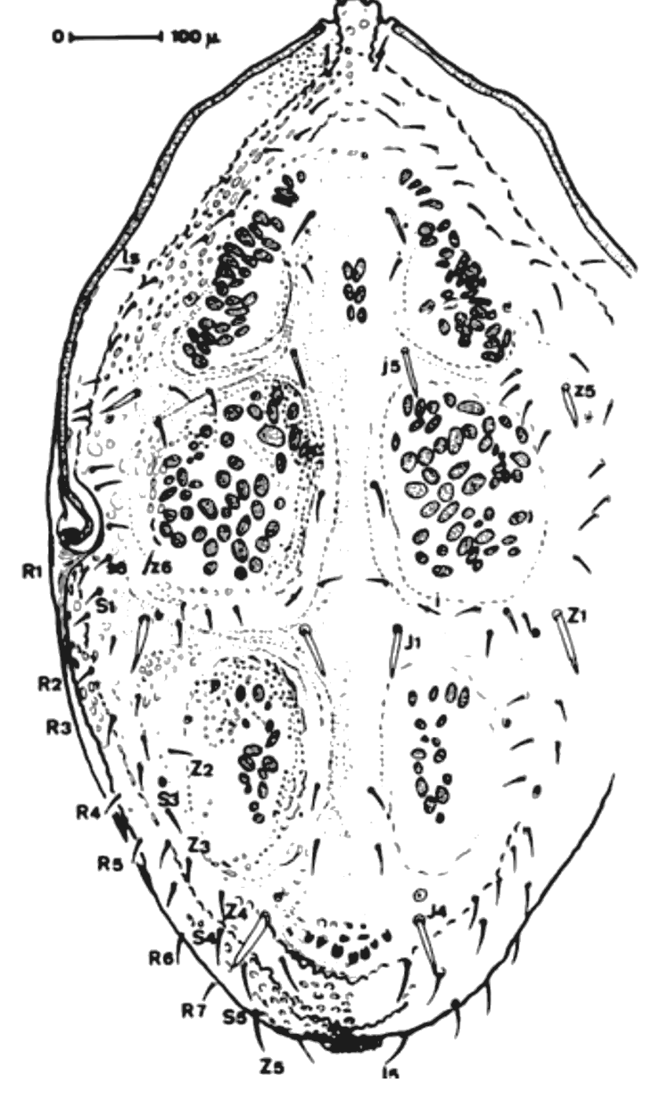
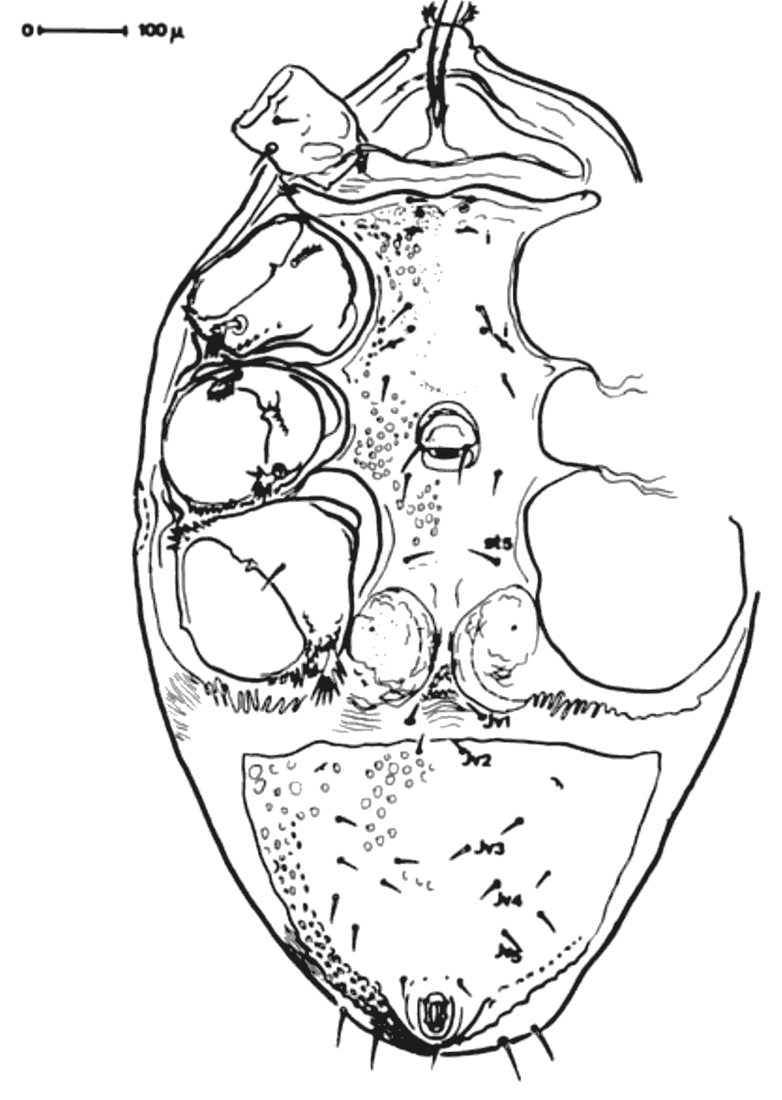
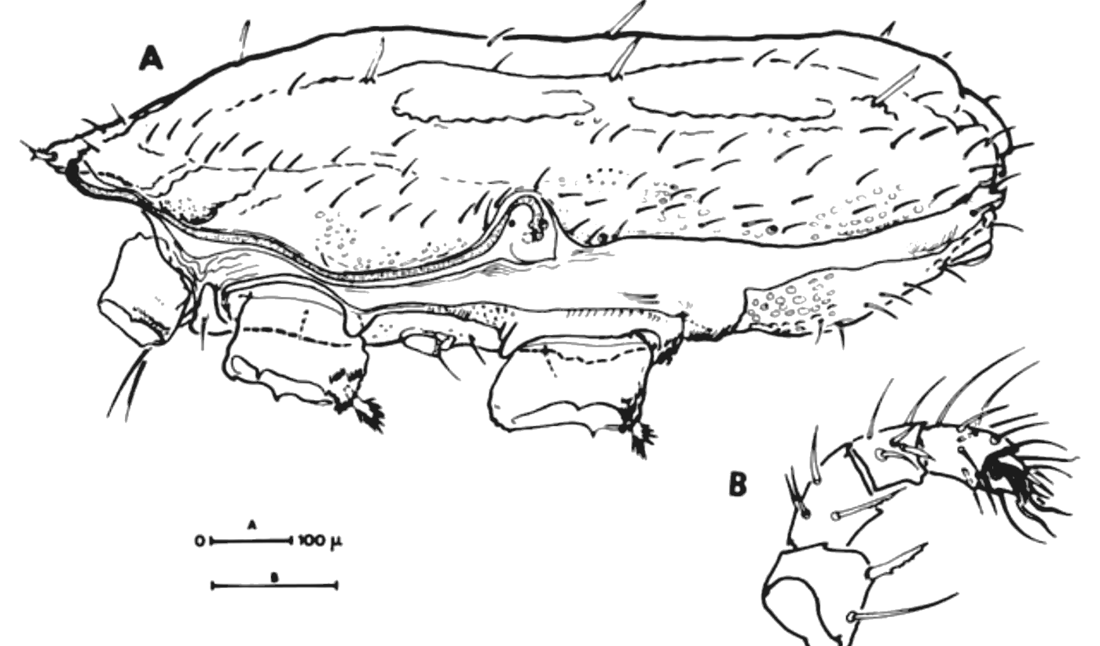
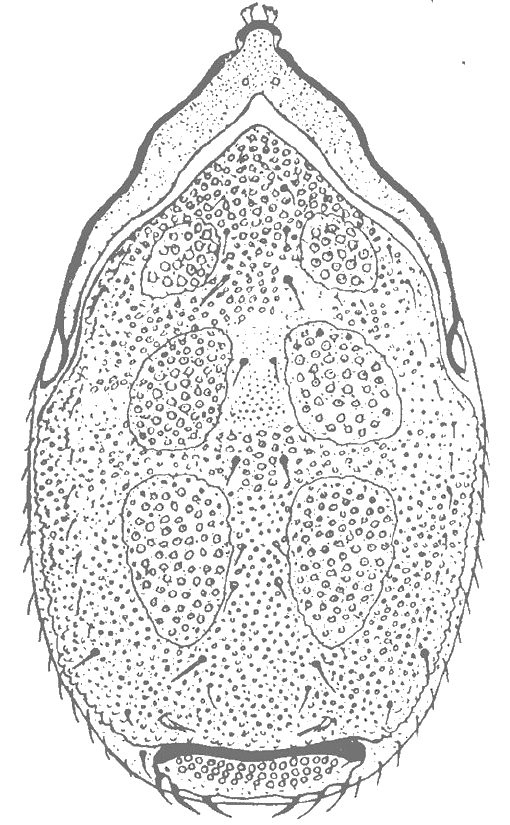
Then the record goes silent. For decades the only specimens in the world were Halbert's own, deposited in the Dublin museum: one male, two females and two nymphs on three glass slides in the National Museum of Ireland.[3] Taxonomists argued about where it fit from those slides alone; it was shuffled between six different groups of mites.[3] A third Irish site, Lough Hyne in West Cork, was added later.[3] In 1982 the French acarologist Françoise Athias-Binche looked at the very same slides, cleared Halbert's specimens further in lactic acid (a process that digests the animal's innards so the armour can be seen through) and redescribed the animal properly for the first time in history. The modern plates on this page come from her study of that 1915 material.[3] She concluded that Thinozercon was one of the two most primitive lineages of the tortoise mites, probably an Irish endemic, adapted to life under stones embedded in muddy sand and flooded by the tide, surviving in an isolated pocket of habitat where nothing else competed with it.[3] Extensive follow up collecting at Howth by Athias-Binche and Professor G. O. Evans failed to find a single one.[3] Why? Where had it gone? Had the modern world snuffed out Thinozercon before anyone got to know it?
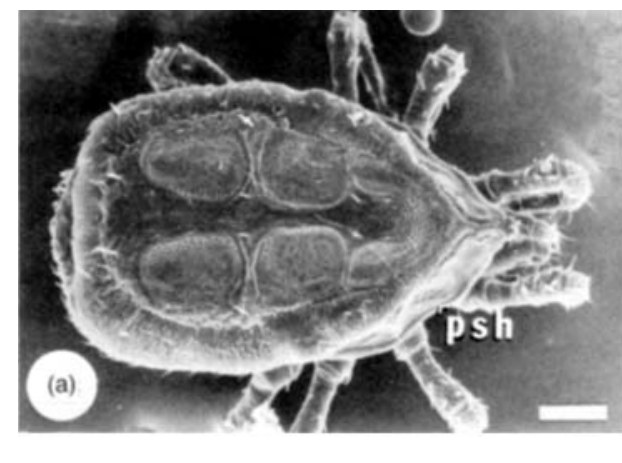
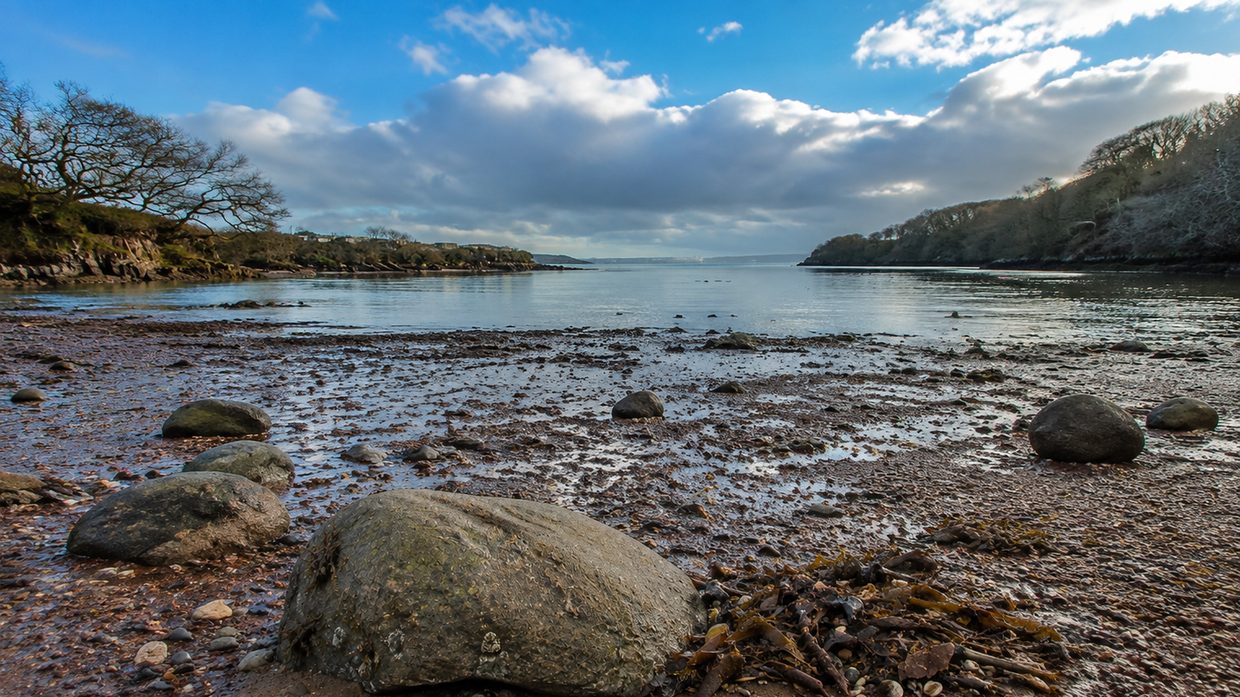
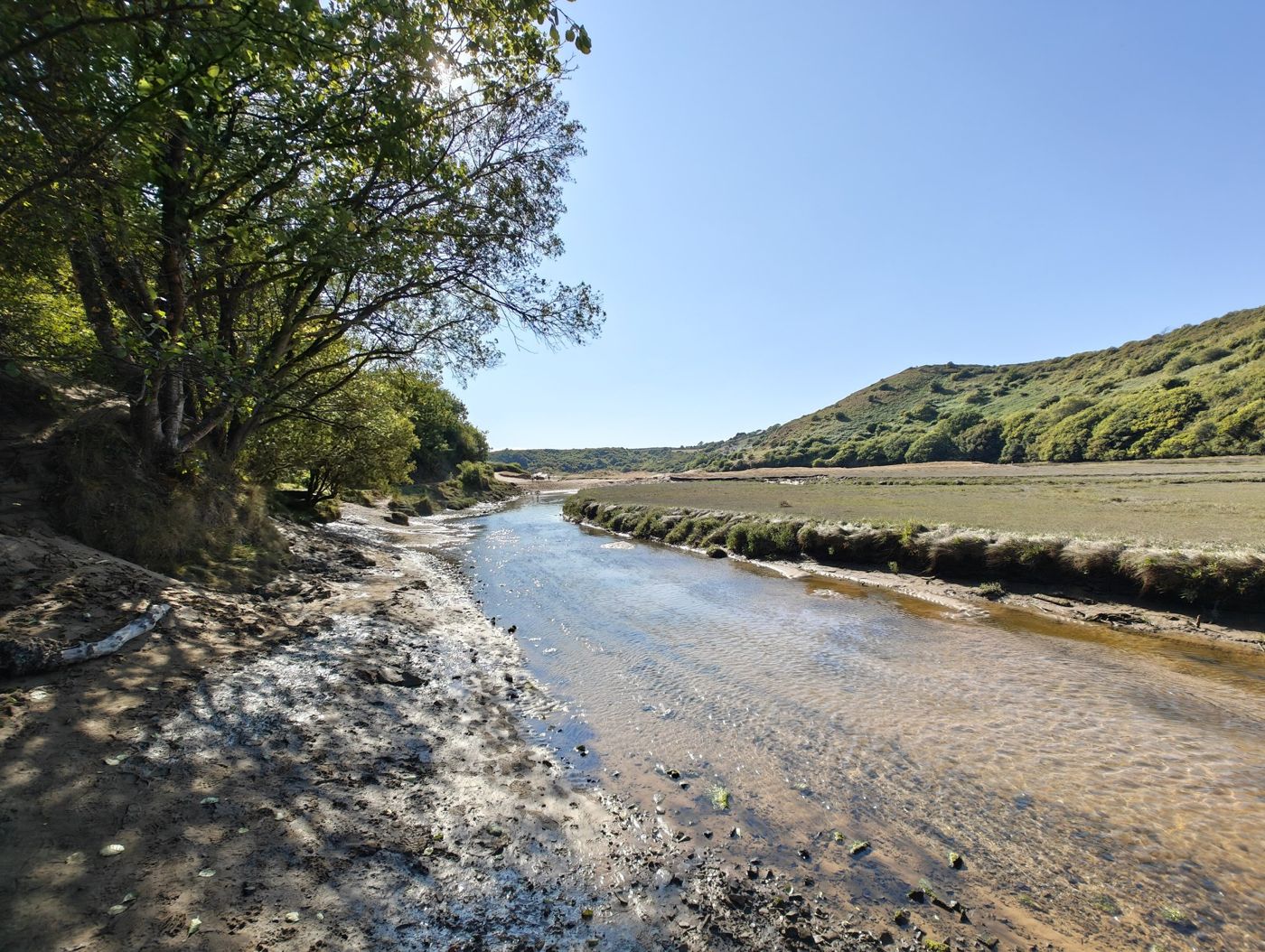
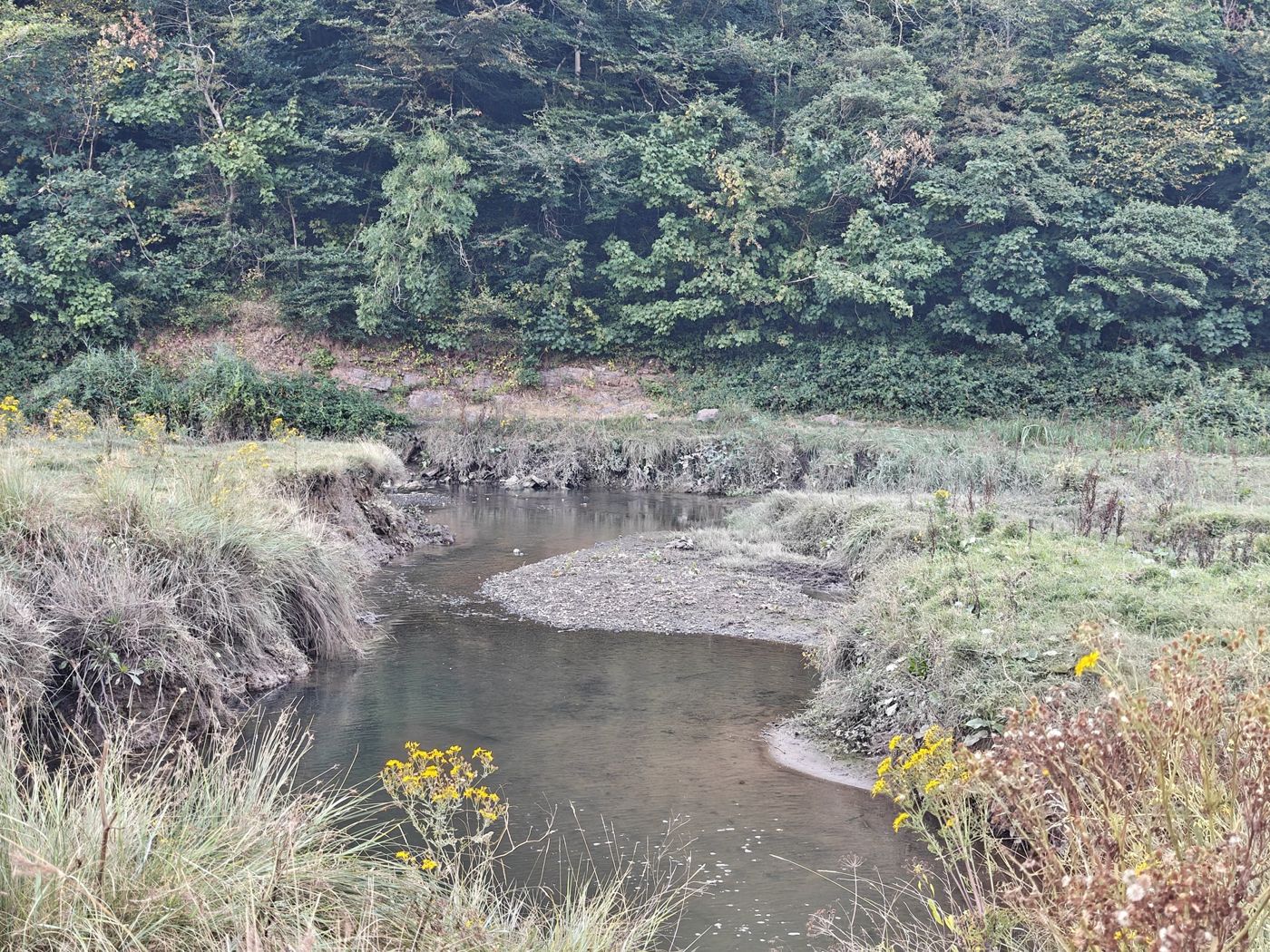
Then, years later, it was found again in Wales by a Swansea based team. Philip Pugh, with Peter King and Michael Fordy of the Marine Biology Research Group at University College of Swansea, was studying how intertidal mites breathe under water, on a studentship supported, as it often happens, by the Gulf oil refinery at Milford Haven[5]. They recorded Thinozercon “from tidal debris and under stones in the upper littoral and supralittoral zones at Beggar's Reach and Castle Reach, Milford Haven”[4], the sheltered inner reaches of the Cleddau, an hour and a half west of the university. They put their specimens under a scanning electron microscope to work out how a mite breathes when the tide comes in over it, and concluded that it probably traps a film of air in the rough sculpturing along its back[4]. Their photographs are the only ones of the species that exist. Their 1987 paper in the Journal of Zoology is the last published record of the species anywhere on Earth.[4] They wrote, of their own material, that it was “with the exception of the type specimens in the Halbert collection, the only known representatives of this species.”[4] Between Halbert's “well below high-water mark”[1] and Pugh's splash zone[4], the animal may well use the whole shore, assuming nobody made any mistakes in their collection notes. This is the main detail we have to go on.
There are also modern hypotheses, from researchers such as Samuel Bolton, that suggest mites may have evolved in this sort of mud and interstitial habitat. Thinozercon could be a remnant from an ancient shoreline, a survivor from the days when arachnids like it were moving onto land. Could finding the specimen help us decipher this? Who knows.
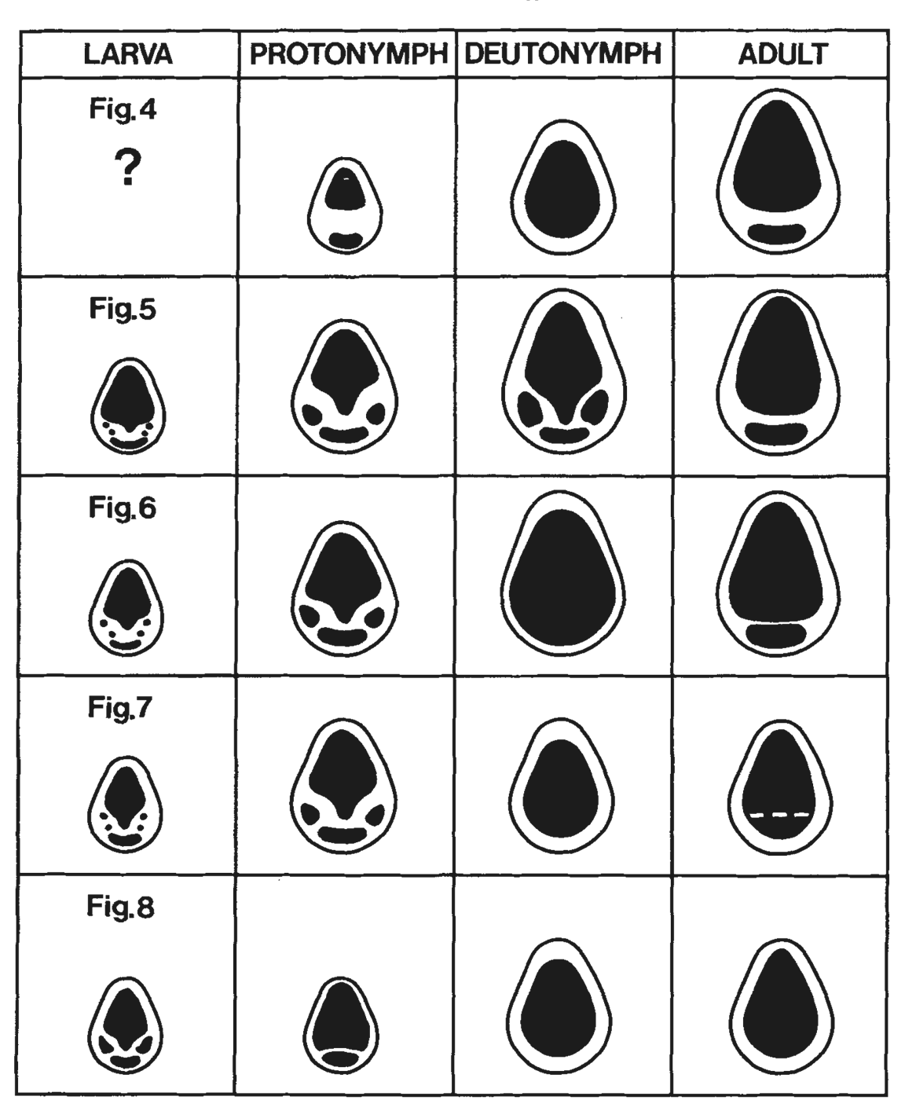
Its larva, the stage freshly hatched from the egg, has never been found.[2] Its life cycle is unknown.[2][3] Its relatives hitch a ride on insects or amphipods during a young stage (the deutonymph) to get from one seaweed pile to the next[3]; if Thinozercon does anything similar we have no idea what it rides on. Its exact microhabitat is unknown. And Thinozercon seems to have given up hitch hiking altogether, which means it lives somewhere permanent, quiet, and very particular.[3]
So why go looking for an obscure mite in Wales? Why should I spend my weekend doing this? We'll give you two reasons.
The first is just that it's a fun project, and it reminds us that we still don't understand the natural world. It is easy to resign ourselves to believing that everything has been found, catalogued and photographed, and that real discovery belongs to other centuries or other continents. It doesn't. Here is an animal that only a handful of people have ever seen alive, that has never been photographed alive (or in full colour, for that matter), that potentially, if it's still there, lives an hour from Swansea, and that nobody has laid eyes on in forty years: a real cryptid of sorts, hiding under real stones. There are still mysteries out there, and things still to be found, if we only look. I can't think of a better way to spend a weekend.
The second is what this animal could tell us. Thinozercon is more than a rare arachnid; it is likely a survivor from the early days of its lineage, perhaps even a glimpse of how the earliest mites lived. Athias-Binche saw it as “a primitive uropodid mite… [that forms] a link between Protodinychus and the other Uropodina”[3]; Ainscough thought its leg hairs and life stages “suggest a possible affinity with the Sejina”[2], an even older group. In other words the mite sits between: a “missing link”, a stepping stone between the ancient sejine like mites and the modern tortoise mites that now live in soils and shorelines all over the world. Perhaps, while its cousins moved onto the land, it chose to stay near the ocean it came from. If we can find it alive, watch how it lives, find its larva and read its genome, we might learn how one of the larger mite lineages came to be. Maybe we can learn something about arachnid evolution.
But we'll never find it if we don't look, and that is what this project aims to do.